Bamboo Charcoal vs Wood Charcoal: Which Is Better for Your Market?
For importers and distributors, choosing between bamboo charcoal and wood charcoal is not simply about personal preference. The right option depends on application, target market, price expectations, and end-user requirements.
Both materials have strong commercial value, but they perform differently and serve different buyer needs. Understanding those differences helps buyers make better sourcing decisions and avoid mismatched shipments.
1. Raw material origin matters
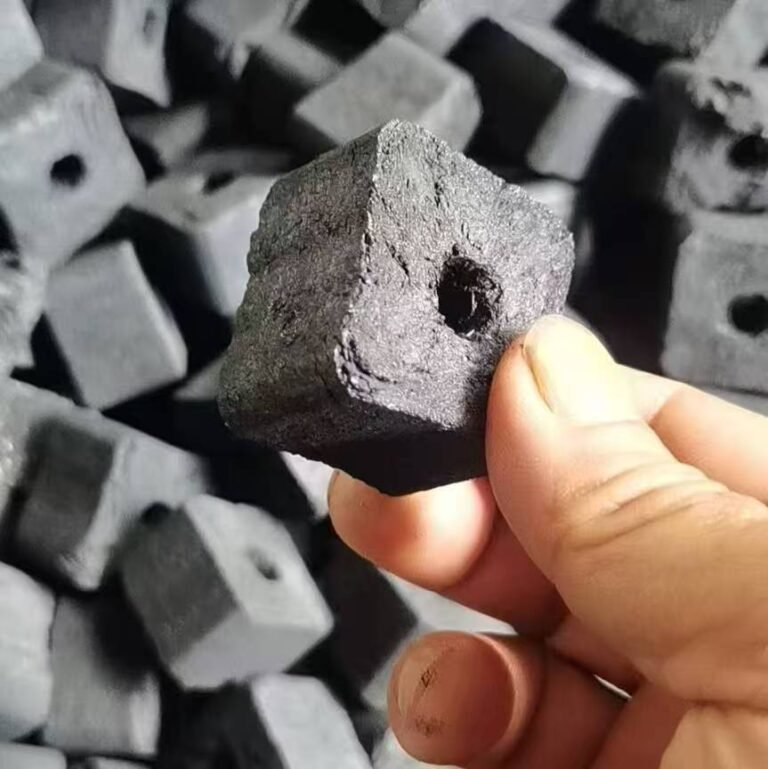
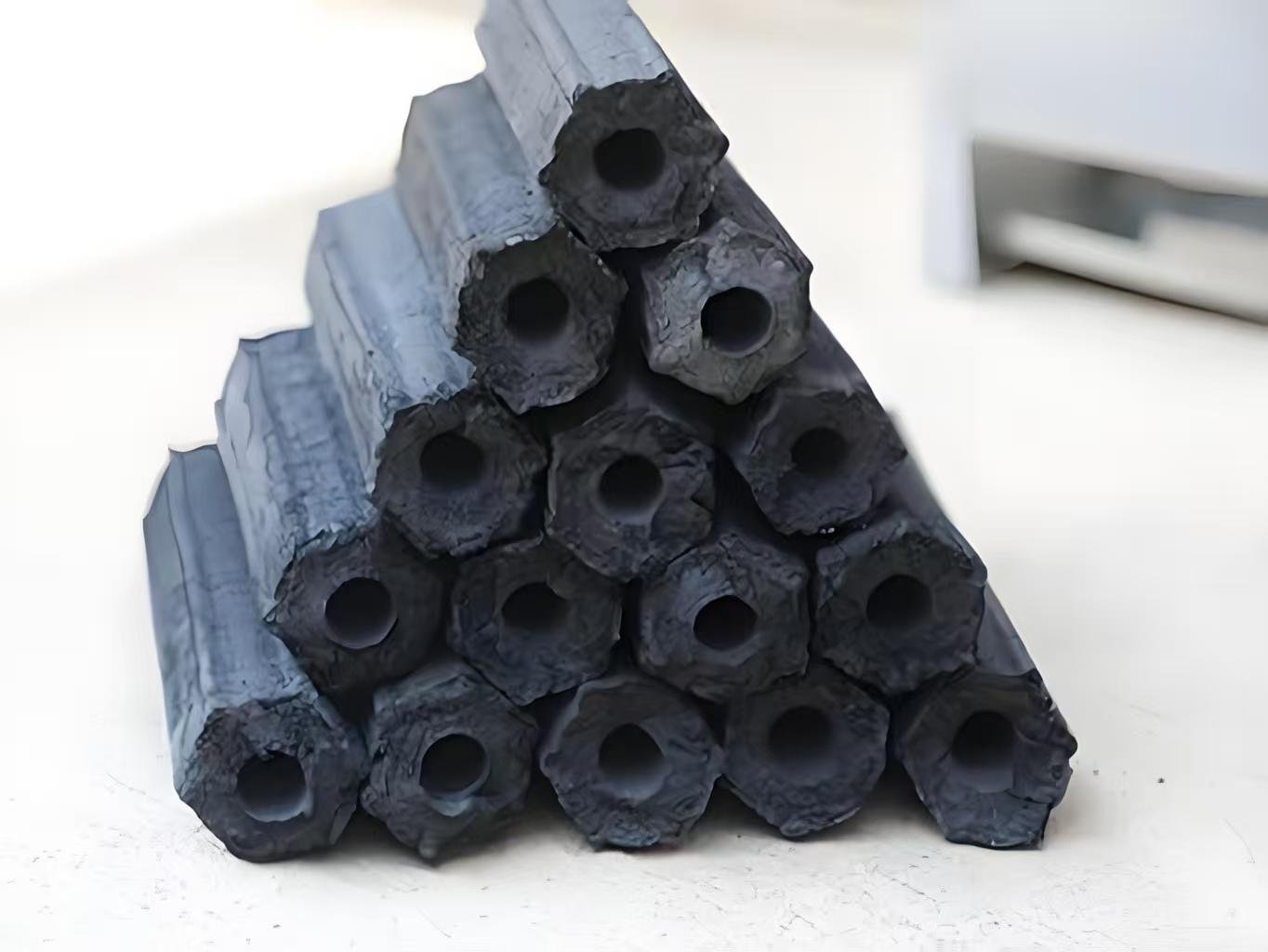
Wood charcoal is usually produced from hardwood species and is often preferred in applications requiring traditional burning performance, strong heat, and familiar usage patterns. Bamboo charcoal, on the other hand, comes from mature bamboo and is often positioned as a more sustainable or specialized alternative.
For buyers, this difference affects both performance and market perception. In some markets, hardwood charcoal is seen as the standard choice for grilling and industrial heating. In others, bamboo charcoal may have stronger appeal due to environmental positioning or filtration applications.
2. Burn behavior is different
Wood charcoal and bamboo charcoal do not behave exactly the same during use.
Wood charcoal often offers:
- Strong heat output
- Familiar combustion behavior
- Broad use in grilling and industrial heating
- Different lump or briquette formats
Bamboo charcoal often offers:
- Clean combustion
- Lower visible smoke in some applications
- High hardness in suitable grades
- Specialized use in filtration, odor control, and selected indoor heating uses
Buyers should not ask which one is “better” in general. The better question is: which one is more suitable for the intended application?
3. Application decides the product
If the target use is commercial grilling, restaurant supply, or industrial heat, wood charcoal is often the more familiar choice. Buyers in these categories usually focus on ignition speed, heat stability, burn duration, and ash level.
If the target use is filtration, moisture control, deodorizing, or eco-positioned specialty products, bamboo charcoal may be more suitable. In some cases, high-temperature bamboo charcoal can also serve as a cleaner alternative fuel depending on the market.
This means that buyers should define the end market first, then choose the material.
4. Market positioning is not the same
Wood charcoal usually fits markets that value:
- Traditional fuel use
- Strong direct heat
- Bulk practicality
- Competitive supply
Bamboo charcoal often fits markets that value:
- Sustainable sourcing
- Specialized industrial use
- Health, odor control, or air purification concepts
- Eco-conscious product positioning
For wholesale buyers, the market story matters. If your customers are looking for practical fuel performance, wood charcoal may be easier to sell. If your market responds strongly to sustainability or specialty applications, bamboo charcoal may create better differentiation.
5. Supply chain stability should be evaluated
Buyers should also compare supply chain conditions, not only technical performance. Ask the supplier:
- What raw materials are used?
- How stable is monthly production?
- Are sizes and grades consistent?
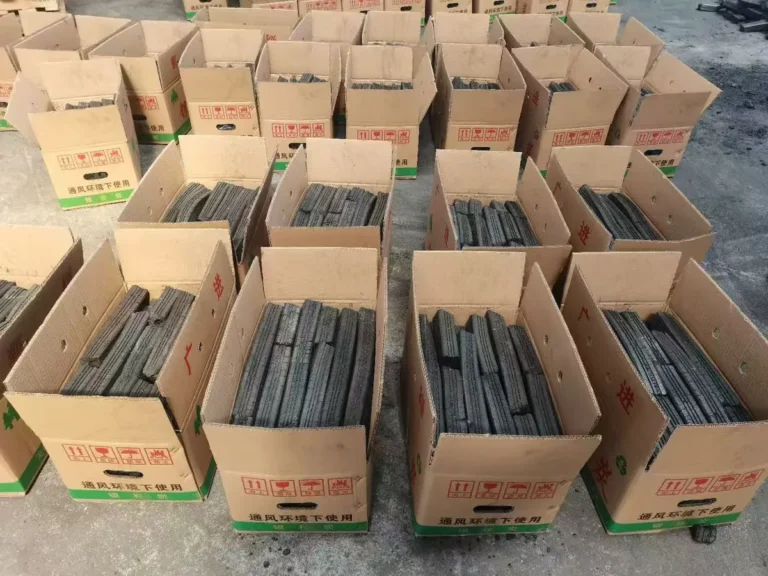
- What export packing formats are available?
- What is the lead time for repeat orders?
A reliable supply chain matters more than theoretical product advantages. A product that sounds better on paper is not useful if the supplier cannot deliver stable quality over multiple shipments.
6. Pricing should be viewed in context
Some buyers choose based only on initial price, but true cost includes:
- Freight efficiency
- Loss during handling
- Burn efficiency
- Customer complaints
- Reorder reliability
For example, a slightly higher-cost product may still be more profitable if it burns longer, creates less ash, or reduces customer returns.
7. Testing before scaling is the safest path
For new importers or distributors, the most practical strategy is to test both materials in sample or small trial quantity before placing a larger order. This allows buyers to compare:
- Burn performance
- Packaging quality
- Customer response
- Handling convenience
- Price-to-performance ratio
Testing removes assumptions and gives real market feedback.