What Bulk Charcoal Buyers Should Know About MOQ, Packaging, and Export Documents
For first-time importers and even experienced distributors, the biggest problems in bulk charcoal purchasing often do not come from the product itself. They come from ordering structure, packaging decisions, and shipping documentation.
A good supplier should not only offer charcoal. They should also help buyers understand how to place an order that can actually move smoothly from factory to destination port.
1. MOQ is more than a number
Many buyers ask the supplier for MOQ first, but MOQ should not be treated as an isolated figure. It depends on:
- Product type
- Packing style
- Private label requirements
- Container type
- Destination market
A standard MOQ for charcoal is often based on a 20ft container, but actual loading quantity can vary depending on product density, carton dimensions, and moisture protection requirements.
Instead of only asking “What is your MOQ?”, buyers should ask:
- What is the MOQ for standard packing?
- What is the MOQ for custom packaging?
- What loading quantity do you recommend for best freight efficiency?
2. Packaging directly affects shipping performance
In charcoal export, packaging is not just for appearance. It affects:
- Cargo protection
- Stacking strength
- Moisture control
- Loading efficiency
- Brand presentation
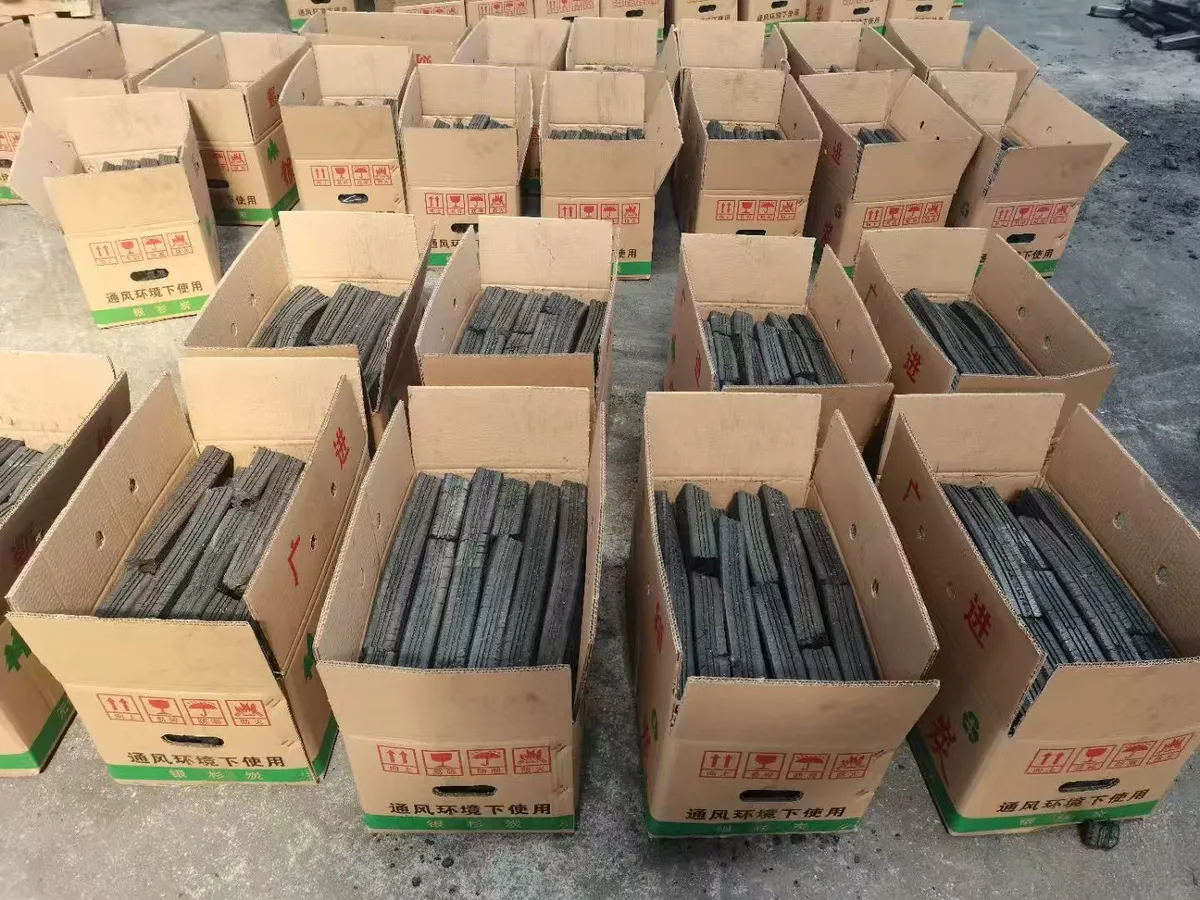
A weak carton may collapse during shipment. A poorly designed inner bag may allow moisture transfer. A badly planned carton size may waste container space.
For this reason, buyers should confirm:
- Inner bag material
- Carton thickness
- Gross and net weight per carton
- Pallet or non-pallet loading
- Moisture-protection method
Good packaging reduces risk, not just cost.
3. Private label buyers should discuss details early
For OEM or private label projects, packaging details need to be confirmed before final production. Buyers should align on:
- Box size
- Print artwork
- Master carton marks
- Barcode placement
- Language requirements
- Packing quantity per carton
Late changes in packaging usually create delays and increase cost. Early confirmation saves time and helps avoid mistakes during bulk loading.
4. Container loading is part of the buying decision
Many new buyers underestimate container planning. But for bulk charcoal, loading efficiency strongly affects landed cost.
Important questions include:
- How many cartons fit in a 20ft container?
- How many in a 40ft HQ?
- Is pallet loading necessary?
- What is the expected loading weight?
- Is there a loading report or photo record?
Professional suppliers should be able to explain the loading plan clearly. This is especially important for buyers balancing cost per ton and packaging durability.
5. Export documents cannot be ignored
For international charcoal shipping, documentation is often just as important as the product. Depending on the product type and destination, buyers may need:
- Commercial invoice
- Packing list
- Certificate of origin
- MSDS
- DGM or related dangerous goods documents
- Other market-specific compliance paperwork
If a supplier is unclear about export documents, that creates risk for customs clearance and freight handling.
Buyers should confirm document capability before payment, not after the container is ready.
6. Ask about lead time and repeat-order reliability
A good first shipment means little if the supplier cannot maintain future performance. Buyers should ask:
- Standard production lead time
- Peak season lead time
- Ability to repeat the same packing specification
- Monthly output capacity
- Flexibility for urgent schedules
This is particularly important for buyers supplying retail networks, lounges, restaurant groups, or industrial customers.
7. Bulk buying should be planned as a system
The most successful charcoal buyers do not treat procurement as a one-time transaction. They evaluate the full chain:
- Product performance
- Packaging suitability
- Loading efficiency
- Documentation readiness
- Repeat-order stability
This system view reduces unexpected cost and creates a more reliable supply relationship.