
How to Choose the Right Hookah Charcoal Supplier for Wholesale Orders
When sourcing hookah charcoal for wholesale, price is only one part of the decision. For distributors, lounge suppliers, and private label buyers, the real concern is consistency. A container that burns well today but performs differently in the next shipment can quickly damage customer trust and create supply problems.
Choosing the right hookah charcoal supplier means looking beyond sales language and focusing on measurable factors that affect performance, packaging, and delivery.
1. Check the raw material, not just the final product
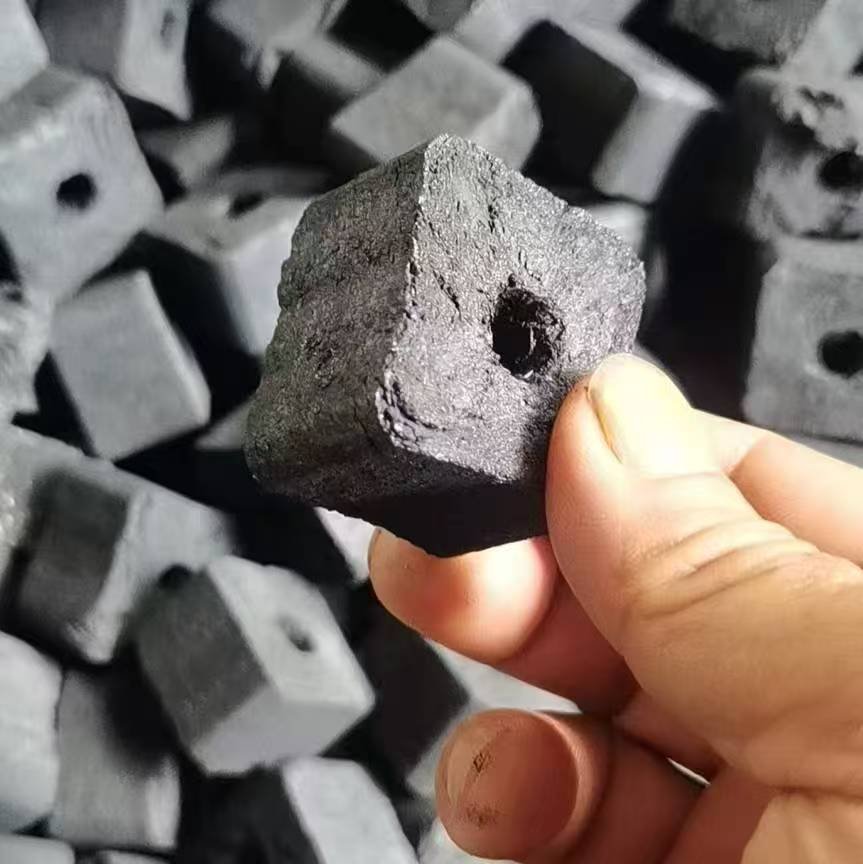
A reliable hookah charcoal supplier should clearly explain what the charcoal is made from. For most premium hookah charcoal, coconut shell remains one of the most preferred raw materials because it offers stable density, longer burn time, and relatively low ash.
If a supplier cannot clearly state the raw material source, that is already a warning sign. Good suppliers understand that the starting material directly affects cube strength, ignition speed, ash residue, and heat stability.
2. Ask for the core technical specifications
Wholesale buyers should always request the key technical data before confirming an order. The most important points usually include:
- Fixed carbon
- Ash content
- Moisture level
- Burn time
- Odor and smoke performance
- Cube size consistency
For hookah applications, low ash and stable burn performance matter more than exaggerated marketing claims. A professional supplier should be able to provide realistic ranges rather than vague promises like “best quality” or “premium grade.”
3. Evaluate cube consistency
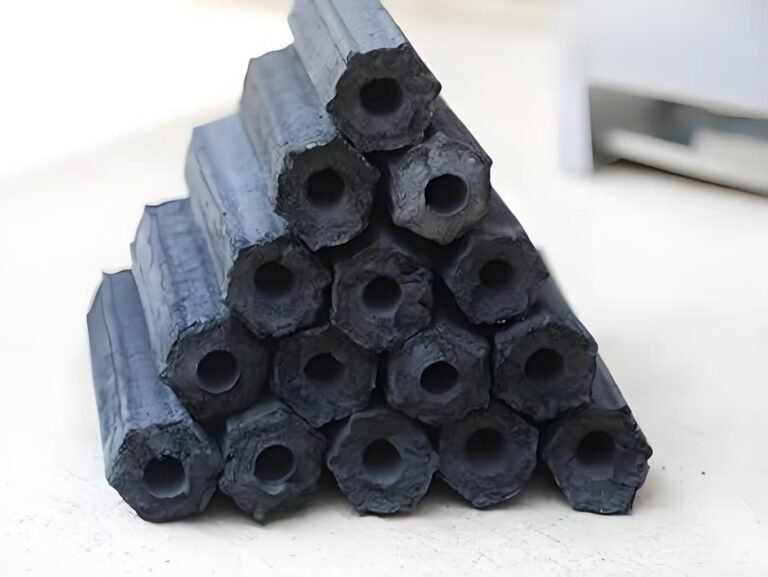
For lounges and large distributors, visual consistency is important. If cube sizes vary too much, users will notice uneven heating and shorter session times. This becomes even more important in branded retail products, where end customers expect a uniform look.
Ask the supplier whether cube sizing is standardized across batches. It is also useful to ask for close-up videos or sample photos of actual production batches, not only polished catalog images.
4. Understand MOQ and container planning
Many buyers focus only on unit price, but container efficiency is just as important. The supplier should be able to explain:
- MOQ for standard orders
- MOQ for private label orders
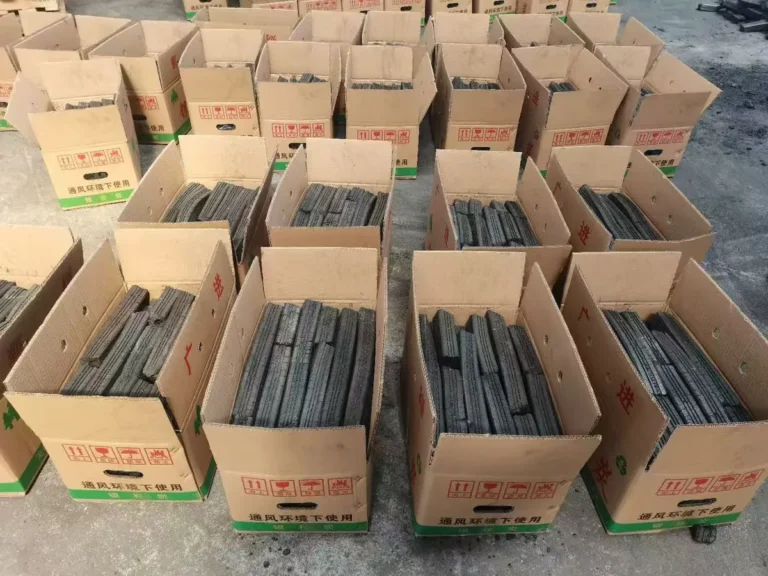
- How many cartons fit in a 20ft or 40ft container
- Recommended packing formats
- Weight per carton and pallet options
A good supplier does not only sell charcoal. They help buyers optimize freight cost, packaging structure, and shipment planning.
5. Confirm private label capability
If you are building your own brand, private label support matters. The supplier should be able to handle:
- Retail box printing
- Master carton customization
- Neutral packaging
- Barcode or shipping mark requirements
- Packing adjustments for different markets
Many suppliers say they offer OEM, but in practice they only provide generic box printing. A reliable wholesale partner should be able to discuss packaging in practical detail.
6. Ask about export documents
Hookah charcoal is not a casual retail product when shipped internationally in bulk. Buyers should confirm whether the supplier can provide the necessary shipping-related documents, such as:
- MSDS
- DGM if required
- Invoice and packing list
- Certificate of origin if needed
- Other compliance files depending on market destination
This is especially important for buyers working with international freight forwarders or supplying multiple countries.
7. Look for stable supply, not only low price
A cheaper offer is not always cheaper in the long run. Delays, unstable quality, damaged cartons, or missing documents can quickly increase real cost.
The right wholesale supplier is one that can maintain:
- Stable monthly output
- Batch consistency
- Clear communication
- Predictable loading schedules
- Support for repeat orders
For long-term buyers, reliability almost always matters more than saving a small amount on the first shipment.
Hi, this is a comment.
To get started with moderating, editing, and deleting comments, please visit the Comments screen in the dashboard.
Commenter avatars come from Gravatar.